
Tumor Suppression Signals Linked to Vilon in Italy Preclinical Models Preclinical studies show that synthetic Vilon, a dipeptide made of

Peptides are a growing focus in skin research because they regulate cellular signaling, collagen production and tissue repair. Certain peptide sequences influence collagen activity and skin moisture balance, which researchers associate with improved elasticity and smoother surface texture.
Peptides also support skin barrier function and appear frequently in topical formulations designed to improve overall skin appearance. Researchers combine peptides with exfoliating ingredients in cosmetic formulations, although results depend on formulation and delivery.
These short chains of amino acids act as biological messengers that influence processes such as collagen synthesis, inflammation modulation and wound repair, making them relevant in dermatological research on aging and skin integrity.
This article reviews peptides commonly studied for skin research, their biological activity and their roles in ongoing scientific investigation.

Peptides are short chains of amino acids, typically composed of 2 to 50 residues linked by peptide bonds. They function as structural elements or signaling molecules within proteins and regulate many cellular activities.
In skin research, scientists study specific peptides for their involvement in collagen signaling, inflammation regulation, and skin barrier support rather than broad collagen “boosting” effects.
Peptides are biologically active molecules with multiple roles in skin research:
Here is a closer look at some of the most studied peptides and their roles in skin research.
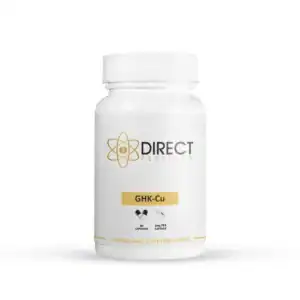
GHK-Cu (Glycyl-L-Histidyl-L-Lysine Copper) has been extensively studied for its potential in skin repair, wound healing, and anti-aging applications.
Applications
For more information visit the GHK-Cu Category Page.
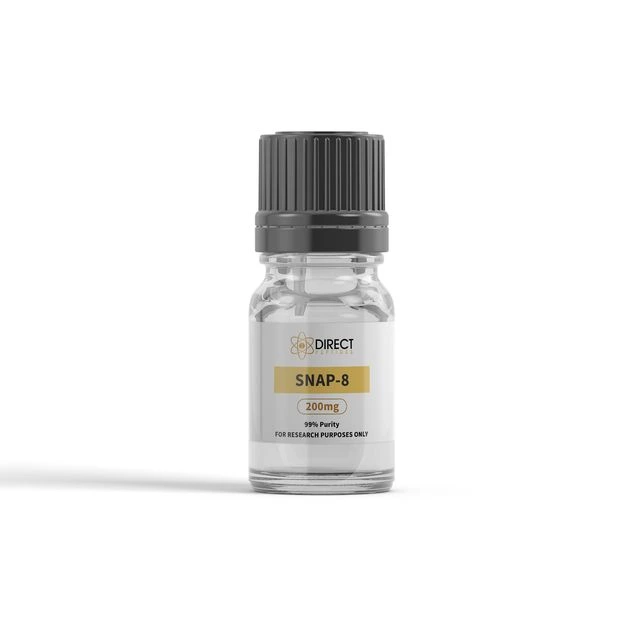
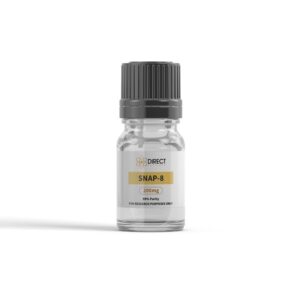
SNAP-8 is an octapeptide that mimics a fragment of the SNAP-25 protein. It is studied for its role in reducing neurotransmitter release, which can minimize facial muscle contractions.
Applications
For more information visit the SNAP-8 Category Page.
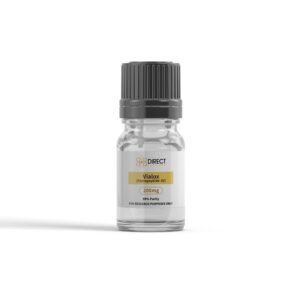
Vialox is a synthetic peptide designed to replicate the effects of botulinum toxin in a topical format.
Applications
For more information visit the Vialox Page.
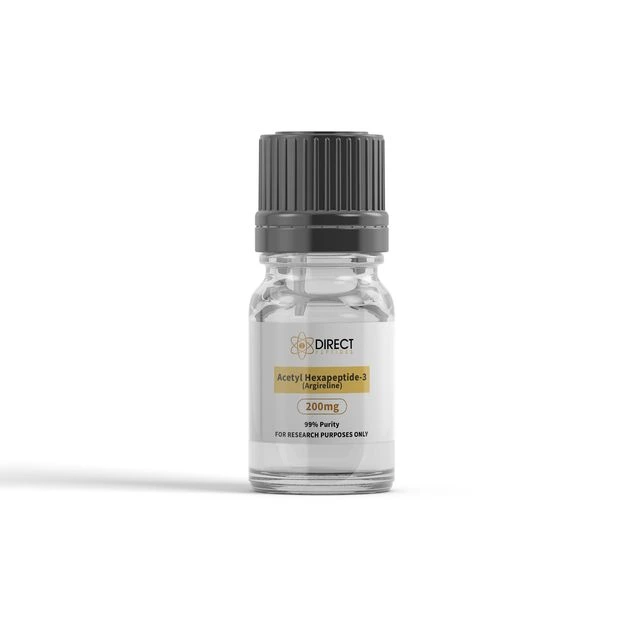
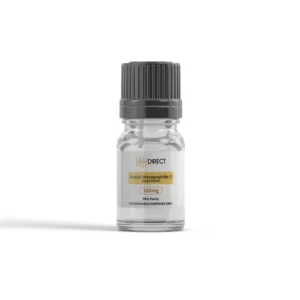
Also called Argireline, Acetyl Hexapeptide-3 is a synthetic peptide derived from a SNAP-25 protein fragment and studied for its effects on neurotransmitter release pathways involved in facial muscle movement.
Applications
For more information visit the Acetyl Hexapeptide-3 Page.
Tripeptide-29 is a short peptide studied in cosmetic research models for its interaction with fibroblasts and extracellular matrix pathways.
Applications
For more information visit the Tripeptide-29 Page.
Rigin, derived from palmitoyl tetrapeptide-7, is primarily studied for its anti-inflammatory and skin barrier-enhancing properties.
Applications
For more information visit the Rigin Page.
Peptides used in topical formulations allow researchers to study cellular signaling pathways involved in skin aging and extracellular matrix regulation.
These molecules participate in research related to collagen signaling and expression related wrinkle appearance, while hydration effects mainly depend on accompanying ingredients such as humectants rather than peptides themselves.
By examining how peptides interact with skin cells, researchers continue to explore non-invasive approaches that may support skin appearance and structural integrity.
Explore Peptide Supplies at Direct Peptides Italy for all your reconstitution requirements.
Peptide research has huge potential for helping us understand overall skin health and aging. By studying how different peptides work, Italy researchers can learn how they boost collagen, improve skin elasticity, and fix problems like sagging and inflammation. These molecules, such as carrier peptides, send signals to skin cells to heal and regenerate. This could lead to new ways to treat wrinkles, scars, and other aging signs.
Signal peptides are also useful in topical treatments for sensitive skin types, microneedling, and experimental therapies. Research in this area may lead to better, non-invasive methods to make skin stronger and more hydrated.
Italy Clinical research on active ingredients like types of peptides shows their potential benefits, especially for skin health. Many studies have revealed how certain peptides affect important processes like collagen production and cell repair. For example, clinical trials on GHK-Cu have proven noticeable improvements in skin elasticity and hydration. This supports its role as a strong anti-aging peptide.
Also, research on SNAP-8 has shown it can reduce fine lines, offering a non-invasive option compared to Botox. Studies on types of peptides like Acetyl Hexapeptide-3 and Tripeptide-29, reviewed by industry experts, continue to reveal how they help with skin rejuvenation. As more evidence emerges, it becomes clear that peptides could shape the future of skin treatments, providing non-invasive ways to maintain youthful and healthy skin.
The best peptides for skin, like GHK-Cu, SNAP-8, Vialox, Acetyl Hexapeptide-3, Tripeptide-29, and Rigin, are leading the way in skin research. These peptides, along with hydrating glycerin and humectants, are being studied to see how they might boost collagen, improve elasticity, keep skin hydrated, and reduce aging signs. All the peptides mentioned are for research purposes only and are not approved for human use.
Research keeps showing how peptides might help create new ways to improve skin health and deal with aging.
Note: These peptides are for research purposes only. They are not for human use.
[1] Pickart L, Margolina A. Regenerative and Protective Actions of the GHK-Cu Peptide in the Light of the New Gene Data. Int J Mol Sci. 2018 Jul 7;19(7):1987.
[2] Pickart L, Vasquez-Soltero JM, Margolina A. GHK Peptide as a Natural Modulator of Multiple Cellular Pathways in Skin Regeneration. Biomed Res Int. 2015;2015:648108.
[3] Aruan RR, Hutabarat H, Widodo AA, Firdiyono MTCC, Wirawanty C, Fransiska L. Double-blind, Randomized Trial on the Effectiveness of Acetylhexapeptide-3 Cream and Palmitoyl Pentapeptide-4 Cream for Crow’s Feet. J Clin Aesthet Dermatol. 2023 Feb;16(2):37-43.
[4] He X, Gao X, Guo Y, Xie W. Research Progress on Bioactive Factors against Skin Aging. Int J Mol Sci. 2024 Mar 28;25(7):3797.
Check out the full range of Topical Peptides from Direct Peptides today!
Tumor Suppression Signals Linked to Vilon in Italy Preclinical Models Preclinical studies show that synthetic Vilon, a dipeptide made of
The Role of the Bronchogen Peptide Italy for Lung Tissue Research Researchers study the bronchogen peptide in laboratory models to
AMPK and Diabetes Italy: Exploring Potential in Insulin Sensitivity Research into AMPK and diabetes focuses on how AMPK acts as

Is Cartalax Bioregulator Italy the Future of Arthritis Management? Yes, Cartalax Bioregulator shows potential in arthritis research by targeting pathways